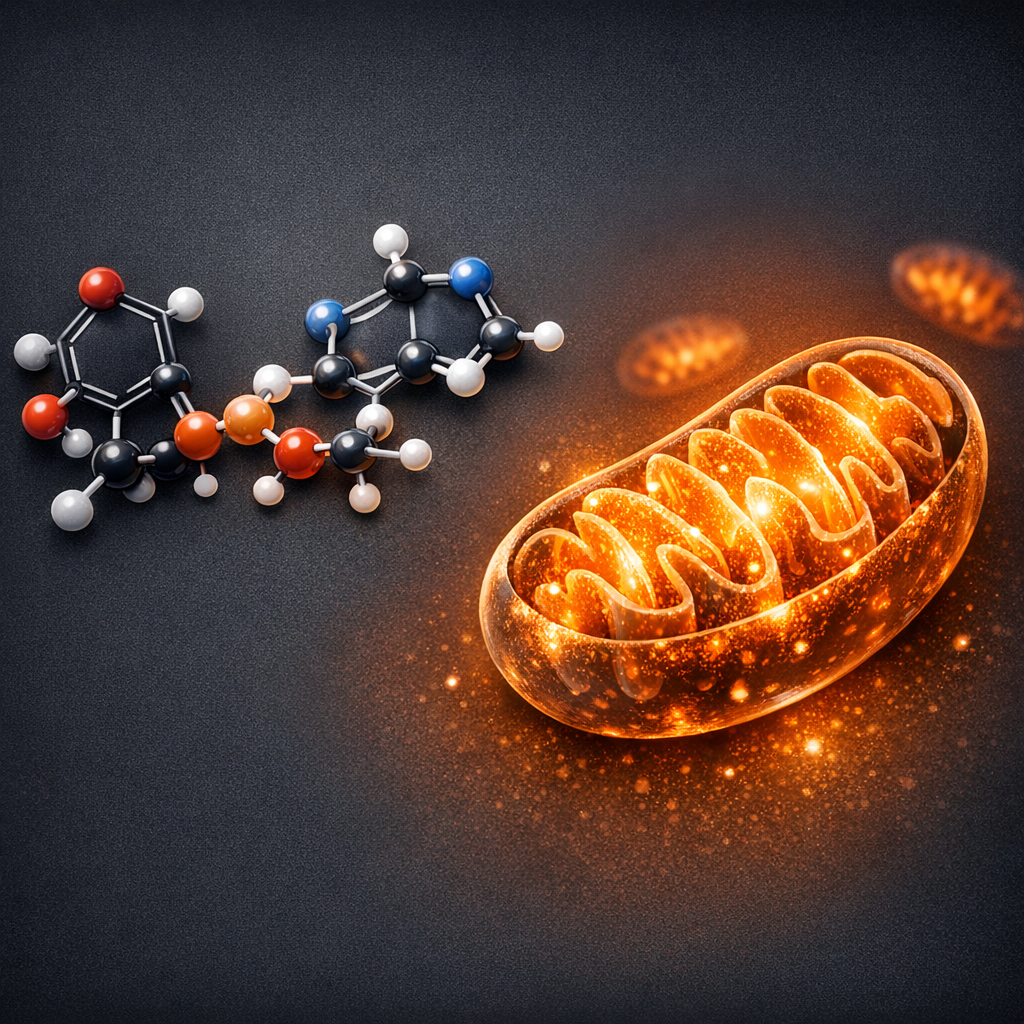
NAD+ (nicotinamide adenine dinucleotide) is one of the most talked-about molecules in longevity and recovery science — and for good reason. It’s a coenzyme present in every cell of your body, playing a central role in energy metabolism, DNA repair, and cellular signalling. But as we age, NAD+ levels decline significantly, contributing to reduced energy, impaired cognitive function, and slower recovery from physical and mental stress.
As a functional blood chemistry analysis (FBCA) specialist who has worked extensively with NAD+ therapy — both clinically and in my own recovery from overtraining syndrome — I want to cut through the hype and explain what the evidence actually supports, who benefits most, and how NAD+ fits into a structured recovery protocol.
Why NAD+ Matters for Recovery and Longevity
NAD+ is not a supplement trend. It’s a fundamental molecule that supports over 500 enzymatic reactions in the body. Its roles include powering mitochondrial energy production (the process that converts food into cellular fuel), activating sirtuins — a family of proteins involved in DNA repair and inflammation regulation — and supporting the circadian clock, which governs sleep, hormone release, and metabolic timing.
When NAD+ levels drop — through ageing, chronic stress, overtraining, poor sleep, or excessive alcohol consumption — the downstream effects are wide-ranging. Fatigue, brain fog, slow recovery, mood disturbance, and accelerated biological ageing are all associated with depleted cellular NAD+.
This is particularly relevant for two groups I work with regularly: overtrained athletes whose recovery systems have been pushed past their limits, and burnt-out professionals who are running on empty despite "normal" blood results from their GP.
Delivery Methods: IV, Injection, and Sublingual
Not all NAD+ delivery is equal. The method matters because NAD+ is a large molecule that doesn’t survive the digestive system well when taken orally in standard supplement form. The three main clinical delivery methods each have different profiles.
Intravenous (IV) NAD+ delivers the molecule directly into the bloodstream at high doses (typically 250–500 mg per session). This bypasses absorption issues entirely and produces the most rapid and noticeable effects. I’ve documented my own experience with this approach in NAD+ Therapy: 5 Years of Results & Insights. IV NAD+ sessions typically take 2–4 hours and can produce temporary flushing, chest tightness, or nausea as the infusion rate increases — these are normal responses, not adverse reactions. IV delivery is best suited to acute recovery phases, intensive protocols, or individuals who want maximum bioavailability. For more on the broader applications of IV therapy for longevity, see our dedicated guide.
Intramuscular (IM) or subcutaneous (SQ) injection offers a middle ground. The NAD+ is reconstituted from lyophilised (freeze-dried) powder and injected, providing good bioavailability without the time commitment of an IV session. This method is increasingly popular for maintenance protocols after an initial IV loading phase.
Sublingual NAD+ uses wafer or lozenge technology to deliver NAD+ through the mucous membranes under the tongue, bypassing the digestive system. Research on sublingual delivery has shown it can raise intracellular NAD+ levels by up to 70% within 6 weeks of consistent daily use. While the dose per session is lower than IV, the convenience and consistency of daily sublingual dosing makes it practical for long-term maintenance. This is the approach most suited to people who want to support NAD+ levels as part of an ongoing longevity and recovery strategy.
Where NAD+ Fits in a Recovery Protocol
If you’ve read The Recovery Code, you’ll know that recovery from overtraining syndrome or chronic burnout follows a phased approach. NAD+ therapy is not a Phase 1 intervention — rushing to IV drips while you’re still sleep-deprived, inflamed, and nutritionally depleted is putting the cart before the horse.
In my framework, NAD+ typically fits best in Phase 3 (Rebuilding) or Phase 4 (Optimisation), once the foundations are in place: sleep architecture is restored, gut health is stabilised, inflammatory markers are trending down, and HPA axis function is showing signs of recovery. At that point, NAD+ can accelerate mitochondrial repair and support the cellular energy systems that underpin full recovery.
For longevity-focused individuals who are not in a recovery phase, sublingual NAD+ can be used as an ongoing maintenance strategy alongside other evidence-based interventions such as time-restricted eating, cold exposure, and targeted supplementation.
What the Blood Work Shows
One of the advantages of working with functional blood chemistry is that we can track the downstream effects of NAD+ therapy objectively. While we can’t directly measure intracellular NAD+ through a standard blood panel, we can monitor markers that reflect mitochondrial function, oxidative stress, and metabolic efficiency — including LDH, GGT, uric acid, and inflammatory markers like hs-CRP.
If you’re considering NAD+ therapy, I’d recommend getting a baseline functional blood panel first. This gives us objective data to track whether the intervention is actually moving the needle, rather than relying on subjective feelings alone.
Is NAD+ Therapy Right for You?
NAD+ therapy may be worth exploring if you’re experiencing persistent fatigue that doesn’t resolve with sleep and nutrition changes, you’re in the later phases of recovery from overtraining or burnout, you’re interested in longevity strategies backed by emerging research, or your functional blood work suggests mitochondrial or metabolic inefficiency.
It’s not a magic bullet, and it’s not a substitute for the foundational work — sleep, nutrition, stress management, and appropriate training loads. But when used at the right time, in the right context, and monitored with objective data, NAD+ can be a powerful addition to a recovery or longevity protocol.
Next Steps
If you’d like to understand where NAD+ might fit in your own health picture, a Discovery Consultation is the best starting point. We’ll review your current situation, discuss whether functional blood testing would be useful, and map out a structured plan — whether that includes NAD+ or not.
You can also explore our free tools to get a snapshot of where you stand: the Vitamin D Calculator and Testosterone Calculator are good starting points for understanding your baseline.
This article is for educational purposes only and does not constitute medical advice. NAD+ therapy should be administered by qualified practitioners, and individual suitability should be assessed on a case-by-case basis.


